 Save to Pinterest
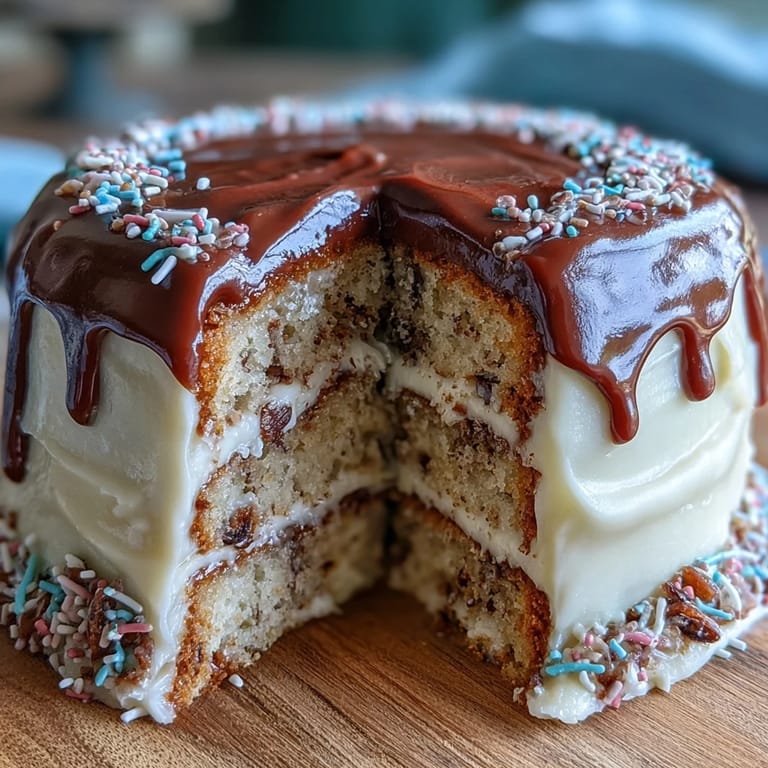
 My neighbor texted me three weeks before her daughter's graduation asking if I could bake a cake for the class of 2026 celebration, and honestly, I panicked for about five seconds before remembering that vanilla sheet cake is the kind of thing that doesn't require perfection—it just requires showing up with something warm and generous. I'd made versions of this cake dozens of times, but never quite for an occasion that felt so monumentally important, so I decided to make it count. There's something grounding about mixing butter and sugar while thinking about a whole group of kids stepping into their next chapter. By the time I pulled this cake from the oven, I wasn't just thinking about feeding a party; I was thinking about celebration itself.
I remember setting this cake out on a table surrounded by balloons and streamers, and watching people's faces light up when they realized it was homemade instead of from a bakery. One dad told me it was the first time his kid had tasted a cake that actually tasted like butter and vanilla instead of vanilla-scented air, and that comment stuck with me. Sheet cakes don't get the romance of layer cakes, but they should—there's an honesty to them that feels right for marking time.
Ingredients
- All-purpose flour (3 cups): The foundation of the cake's tender crumb—make sure it's scooped and leveled, not packed down, or you'll end up with a dense brick instead of something fluffy.
- Baking powder and baking soda (2½ tsp and ½ tsp): These two work together to give the cake its lift without making it taste metallic, so don't skip the soda or substitute one for the other.
- Salt (½ tsp): The secret ingredient that makes people say they can't quite name what makes this vanilla taste so good—it's salt, brightening everything.
- Unsalted butter, room temperature (1 cup for cake, 1 cup for frosting): Cold butter won't cream properly, so pull it out at least an hour before you start, or your cake will be tight instead of tender.
- Granulated sugar (2 cups): This is what gives the cake its structure and golden edges, so use the real thing, not honey or maple syrup, unless you want a completely different cake.
- Eggs, room temperature (4 large): Cold eggs won't incorporate properly into the butter and sugar, so warm them gently or let them sit out while you prep everything else.
- Vanilla extract (1 tbsp for cake, 2 tsp for frosting): Use real vanilla, not imitation—this is the one ingredient people taste first, and it shouldn't taste like a chemistry experiment.
- Whole milk, room temperature (1½ cups for cake, ¼ cup for frosting): The milk tenderizes the crumb and makes the cake taste rich without being heavy, but it has to be room temperature or it'll shock the batter.
- Powdered sugar, sifted (4 cups): Sift this before measuring, or you'll end up with frosting that tastes gritty from lumps of sugar that never dissolve.
- Graduation-themed sprinkles or edible decorations: This is where you make it feel like a celebration instead of just a Wednesday afternoon dessert.
Tired of Takeout? 🥡
Get 10 meals you can make faster than delivery arrives. Seriously.
One email. No spam. Unsubscribe anytime.
Instructions
- Prep your pan and heat:
- Get your oven to 350°F and take a moment to properly grease and line a 12x18-inch sheet pan with parchment paper—this step saves you from scraping cake off metal later. Proper prep means your cake releases cleanly and your frosting spreads smoothly.
- Whisk the dry ingredients:
- In a medium bowl, whisk together flour, baking powder, baking soda, and salt until everything is evenly distributed, which takes about 30 seconds of real whisking. Set this aside and forget about it for now.
- Cream butter and sugar into clouds:
- In a large bowl, beat room-temperature butter and sugar together for about 3 minutes until the mixture looks pale, fluffy, and lighter than it was. This is what gives your cake its tender crumb, so don't rush this step.
- Add eggs gently:
- Add eggs one at a time, beating well after each addition so they fully incorporate before you add the next one. Add your vanilla extract after the last egg and mix until combined.
- Build the batter in layers:
- Add half your dry ingredients to the wet mixture and mix on low speed until just combined, then pour in half your milk and mix gently. Repeat with the remaining dry ingredients and milk, stirring only until you don't see flour streaks anymore—overmixing makes tough cake.
- Bake until golden:
- Spread the batter evenly into your pan and bake for 28–32 minutes, checking with a toothpick in the center to see if it comes out clean. The cake should smell buttery and vanilla-forward, and the edges should be just barely golden.
- Cool with patience:
- Let the cake cool completely in the pan on a wire rack before frosting, which takes about an hour but matters more than you might think. Frosting warm cake is a recipe for it melting into the cracks and looking sloppy.
- Make the frosting:
- Beat room-temperature butter for about 2 minutes until it's creamy and pale, then gradually add your sifted powdered sugar while mixing on low so you don't cloud your kitchen in sugar powder. Add vanilla, milk, and salt, then beat on high for 2–3 minutes until the whole thing looks fluffy and light enough to spread.
- Frost and decorate:
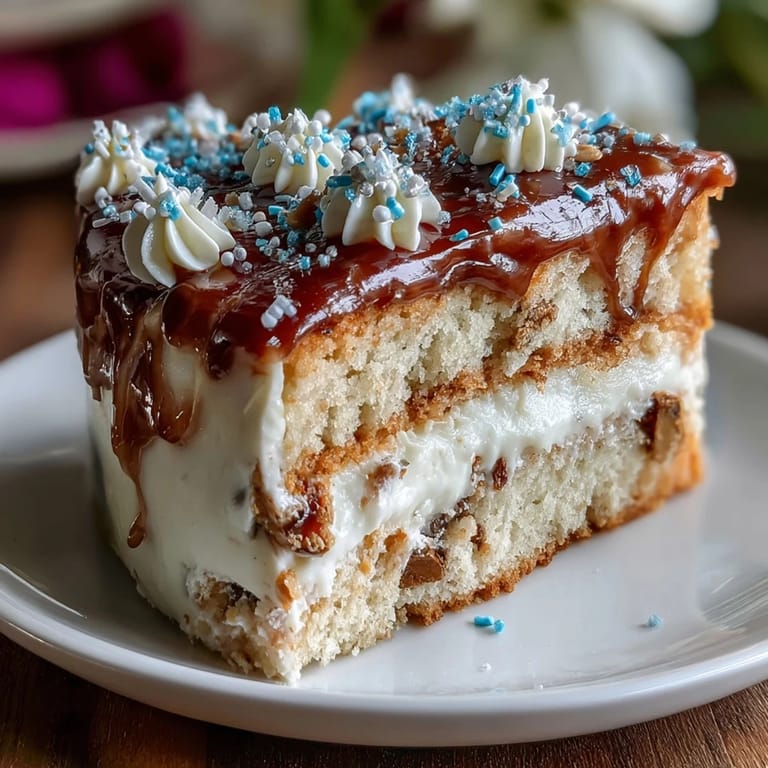
- Spread the frosting evenly over your completely cooled cake with an offset spatula, and then let your decoration instincts take over—sprinkles, piped borders, school colors, whatever makes it feel like a celebration. This is where you make it personal.
 Save to Pinterest
 What I love most about this cake is that it's not trying to be anything other than what it is—a sincere, generous, unpretentious celebration in cake form. When people gather around it, they're not thinking about technique or Instagram aesthetics; they're thinking about marking a moment, about the kids moving forward, about butter and vanilla and togetherness.
Why Sheet Cakes Matter More Than You Think
There's a reason sheet cakes show up at graduations, office parties, and kitchen tables across America—they're democratic in a way that fancy layer cakes never quite are. They don't require special equipment or advanced frosting skills; they just require showing up, which is honestly the most important ingredient anyway. I've learned that some of the most meaningful food moments happen around the simplest cakes, the ones that feed the most people and ask the least of you in return.
Flavor Variations Worth Exploring
Once you've made this cake once, you'll start thinking about all the ways you could bend it slightly without breaking it. I've added almond extract to the batter for a subtler, almost retro flavor; I've mixed lemon zest into the frosting; I've even swapped out half the milk for buttermilk to add a gentle tang. The skeleton of this recipe is strong enough to carry variations, which means it never gets boring, even when you're making it for the third time in a month.
Storage and Make-Ahead Wisdom
You can bake this cake a day ahead, wrap it unfrosted, and leave it on the counter without worry—it actually tastes better the next day once the crumb has had time to settle. The frosting can be made hours ahead and kept at room temperature in a covered bowl, which means you can frost the morning of your party and forget about it until it's time to slice. One more thing worth knowing: this cake sits happily at room temperature for a full day, refrigerates for up to 4 days, and even freezes well if you need it to.
- For a gluten-free version, swap all-purpose flour for a 1:1 gluten-free baking blend and the cake will bake up exactly the same.
- If you want to get fancy, use a piping bag to write a message or add decorative borders instead of just sprinkling sprinkles on top.
- Always taste your frosting before you spread it and add a pinch more salt if it tastes too sweet—a little salt makes vanilla frosting taste less like sugar and more like frosting.
 Save to Pinterest
 Make this cake for the moments that deserve marking, or make it just because you want something good in your kitchen that afternoon. Either way, you're doing it right.
Recipe FAQs
- → How do I ensure the cake stays moist?
Use room temperature butter and eggs, and measure ingredients accurately. Avoid overmixing once dry ingredients are added to maintain moistness.
- → Can I substitute all-purpose flour for gluten-free flour?
Yes, a 1:1 gluten-free baking blend works well as a substitute without affecting texture significantly.
- → What is the best way to decorate the cake for graduations?
Use graduation-themed sprinkles or edible decorations, and optionally add gel food coloring to buttercream for school colors.
- → How long should I bake the sheet cake?
Bake between 28 and 32 minutes at 350°F (175°C), until a toothpick inserted in the center comes out clean.
- → Can this cake be stored after making?
Store leftovers covered at room temperature for up to 1 day or refrigerate up to 4 days to maintain freshness.