 Save to Pinterest
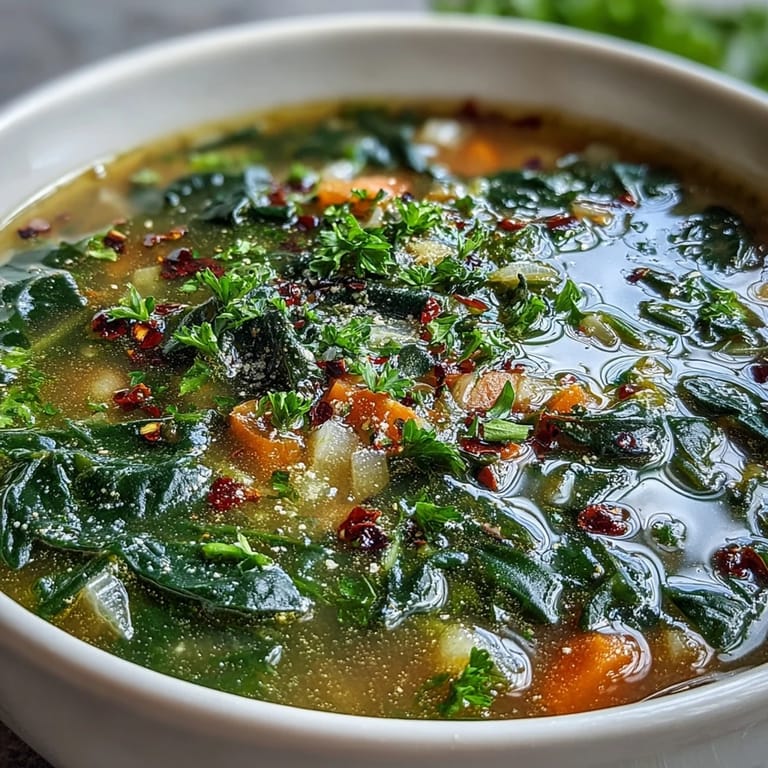
 There's something about the quiet simplicity of Swiss chard soup that catches you off guard. I discovered it while wandering through a farmers market on a grey afternoon, drawn to a bundle of vibrant green chard with its impossibly tender leaves and sturdy stems. The vendor mentioned she made this exact soup at home, and something in how she described it—how the chard softens into the broth without disappearing—made me want to try it that same evening. What started as an experiment became the soup I reach for whenever I need something nourishing but not heavy, something that tastes like care without demanding hours in the kitchen.
I made this soup for a friend who was recovering from being under the weather, and watching her face when she tasted it told me everything. She had that look of someone realizing comfort food doesn't always need to be heavy—sometimes it's just warmth, gentle flavors, and the knowledge that someone cared enough to simmer vegetables together for you. She asked for the recipe that same day.
Ingredients
- Swiss chard (1 large bunch, about 400 g, stems and leaves separated and chopped): Those vibrant stems are packed with a delicate crunch and won't fully soften even after cooking, which is exactly why you sauté them separately—they deserve a moment to shine before the leaves join in.
- Yellow onion (1 medium, finely chopped): The foundation of flavor here; don't rush the sautéing because this is where sweetness develops and carries the entire soup.
- Carrots (2 medium, diced): Dicing them small means they soften perfectly in 25 minutes and distribute that subtle sweetness throughout every spoonful.
- Celery stalks (2, diced): Often overlooked, but this is your secret depth—it makes the broth taste like home.
- Garlic (3 cloves, minced): Fresh and raw until it hits the hot oil, which transforms it into something mellow and golden rather than sharp.
- Vegetable broth (1.2 liters or 5 cups): Use the best quality you can find because this isn't a thick soup that masks flavors—the broth is the star, so let it be something you'd actually want to sip.
- Olive oil (2 tablespoons): Good olive oil matters here more than in heavier dishes; it becomes almost a flavor ingredient rather than just a cooking medium.
- Sea salt and freshly ground black pepper: Taste as you go because the right seasoning is the difference between pleasant and genuinely memorable.
- Crushed red pepper flakes (1/4 teaspoon, optional): A whisper of heat that doesn't overpower, just awakens the palate midway through the bowl.
- Lemon juice (from 1/2 lemon): The brightness that makes everything else in the pot taste more like itself—never skip this step.
- Fresh parsley (2 tablespoons, chopped): Stirred in at the very end so it stays fresh and herbaceous instead of wilting into obscurity.
- Grated Parmesan cheese (for serving, optional): A small handful transforms the soup into something more substantial without weighing it down.
Tired of Takeout? 🥡
Get 10 meals you can make faster than delivery arrives. Seriously.
One email. No spam. Unsubscribe anytime.
Instructions
- Heat the oil and build your base:
- Warm the olive oil over medium heat until it shimmers slightly, then add your onion, carrots, and celery all at once. You'll hear them hit the pot, and that's your cue—let them soften undisturbed for about five or six minutes, stirring occasionally, until the onion turns translucent and the carrots lose their raw edge.
- Introduce the garlic and chard stems:
- Once the softer vegetables are ready, add your minced garlic and those separated chard stems you set aside earlier. Sauté for two to three minutes—your kitchen will smell incredible, like garlic and earthiness meeting warm oil, which is exactly the signal that you're on track.
- Pour in the broth and greens:
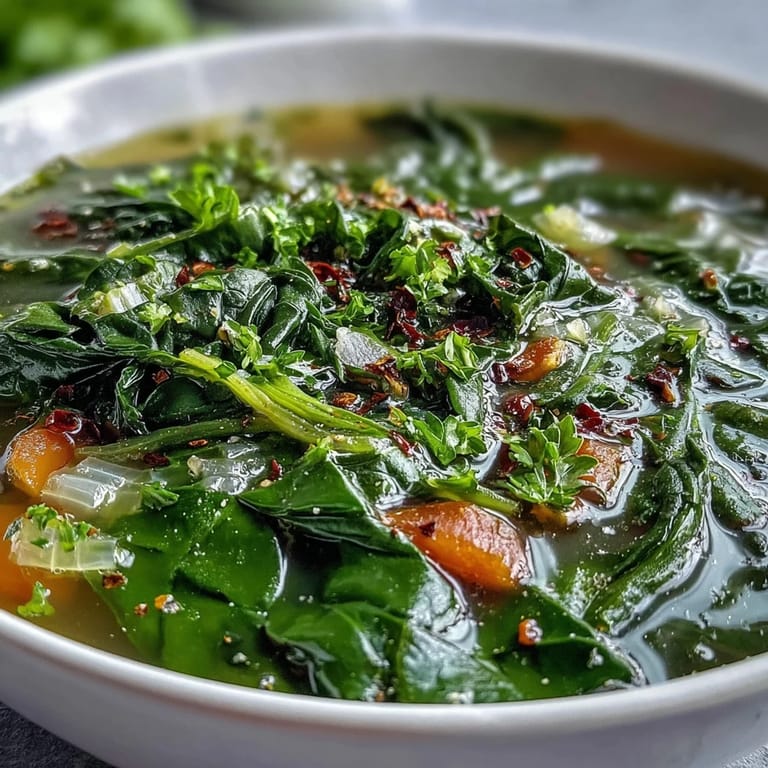
- Add your Swiss chard leaves all at once, pour in the vegetable broth, and season with salt, pepper, and those red pepper flakes if you're using them. The pot will seem overstuffed with all those greens at first, but they'll surrender to the heat in moments, collapsing down into something manageable.
- Simmer gently until everything is tender:
- Bring the pot to a boil—you'll see active bubbles breaking the surface—then reduce the heat to a gentle simmer where small bubbles come up lazily rather than rolling. Let it bubble quietly for fifteen to twenty minutes until the vegetables are completely tender and the flavors have begun to speak to each other.
- Finish with brightness and freshness:
- Stir in the lemon juice and fresh parsley, then taste and adjust the salt and pepper until it tastes exactly right to you. This is your moment—this is when the soup goes from good to something you'll remember.
- Serve with intention:
- Ladle into bowls and top with grated Parmesan if the mood strikes, then serve while it's still steaming and eager to warm you from the inside out.
 Save to Pinterest
 There was an afternoon when I made this soup and my partner came home while it was still simmering, and they stood in the kitchen doorway just breathing in the smell of it before even saying hello. That's when I knew this wasn't just a recipe—it was a moment distilled into a pot, something that could communicate care before a single spoonful was tasted.
When to Add Extra Elements
This soup is perfect as it is, but I've learned it's also endlessly flexible depending on what you have on hand and what mood you're in. A can of white beans stirred in before serving turns this into something heartier and protein-forward, while a diced potato added alongside the carrots creates a creamier texture without actually using cream. I've even added finely diced mushrooms in autumn when they seemed to ask for it, and they soak up the broth like tiny flavor sponges.
The Soul of the Soup
What makes this recipe work isn't any single ingredient but the way they're treated with respect and given time to become something together. The vegetables aren't rushed or overseasoned, and the broth isn't allowed to boil aggressively—everything happens at a gentle, thoughtful pace. This approach means the soup tastes like its ingredients actually want to be together, which is the secret to a dish that feels nourishing on every level.
Adapting for Dietary Needs
This soup is naturally vegetarian and gluten-free, which means it's already welcoming to most tables without compromise or substitution. For vegan versions, simply omit the Parmesan or swap in a plant-based alternative that you actually enjoy eating. The soup loses nothing essential—in fact, sometimes the cleaner broth shines even brighter without the cheese.
- Always check store-bought broth labels for hidden gluten or unexpected ingredients that might not align with your needs.
- If you're cooking for someone with dietary restrictions, this soup is a reliable choice that doesn't require apologies or workarounds.
- A squeeze of extra lemon juice at the table lets people adjust the brightness to their own preference.
 Save to Pinterest
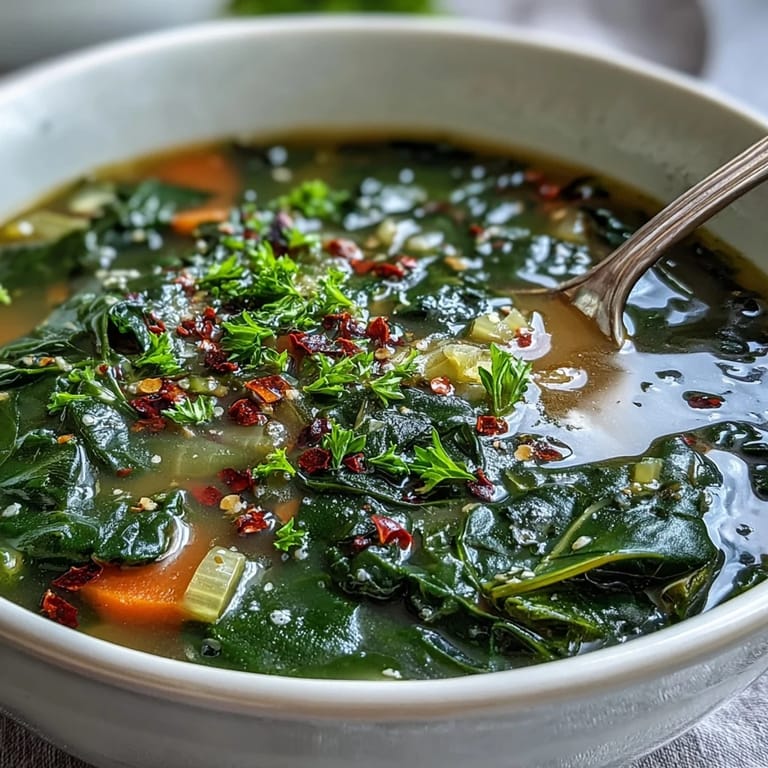
 This soup asks very little of you but gives back in warmth, nourishment, and the quiet satisfaction of having made something genuinely good. Make it once and you'll find yourself coming back to it again and again.
Recipe FAQs
- → Can I use frozen Swiss chard instead of fresh?
Yes, frozen Swiss chard works well. Use about 300g frozen and add it directly to the broth without thawing. You may need to reduce the simmering time slightly since frozen greens cook faster.
- → How do I store leftover soup?
Store cooled soup in an airtight container in the refrigerator for up to 4 days. You can also freeze it for up to 3 months. Reheat gently on the stovetop, adding a splash of broth if needed to adjust consistency.
- → What can I substitute for Swiss chard?
Kale, spinach, or collard greens make excellent substitutes. Kale and collard greens have a similar texture and may need the same cooking time, while spinach cooks much faster and should be added in the last 5 minutes.
- → Can I make this soup in advance?
Absolutely. This soup actually tastes better the next day as the flavors have more time to develop. Prepare it up to 2 days ahead, store refrigerated, and reheat when ready to serve.
- → How can I make this soup more filling?
Add a can of white beans, chickpeas, or lentils for protein and fiber. You can also include diced potatoes, pasta, or rice. For extra richness, stir in a handful of cream or coconut milk before serving.
- → What type of broth works best?
A good quality vegetable broth provides the best flavor base. For deeper flavor, use half vegetable and half chicken broth. Homemade broth is ideal, but store-bought works perfectly fine.