 Save to Pinterest
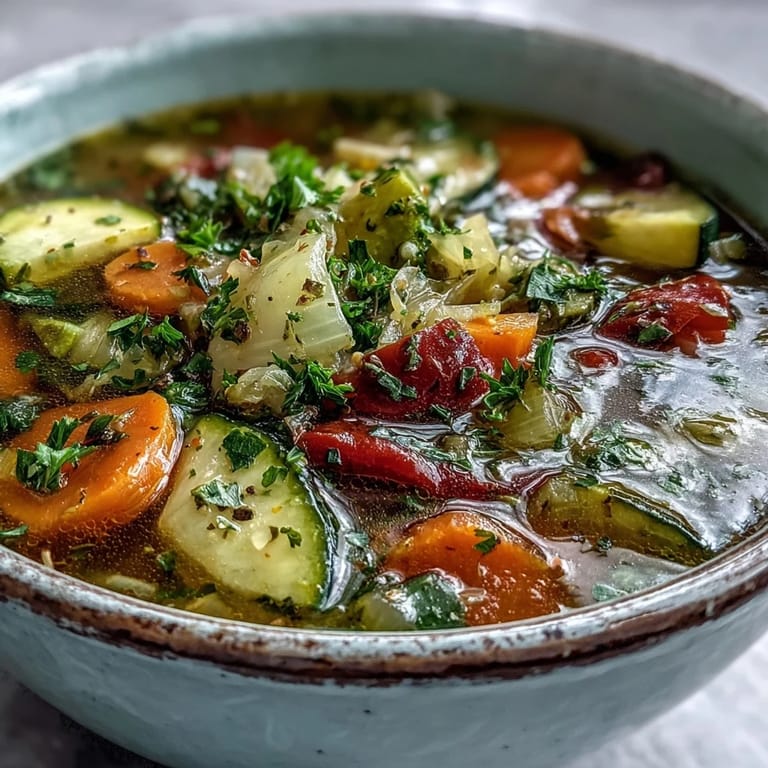
 There's something about chopping cabbage that makes me slow down. Years ago, a friend handed me a bowl of this soup on a cold Tuesday when I wasn't feeling my best, and I remember being struck by how something so simple—just vegetables and broth—could taste like actual comfort. Now I make it whenever I need to reset, and the smell alone reminds me why I keep coming back to it.
I made this soup for my roommate during her spring cleanse experiment, and she actually asked for the recipe—which, coming from her, was basically a five-star review. We ate it straight from the pot while standing by the window, and something about sharing food that simple and honest made the whole day feel better.
Ingredients
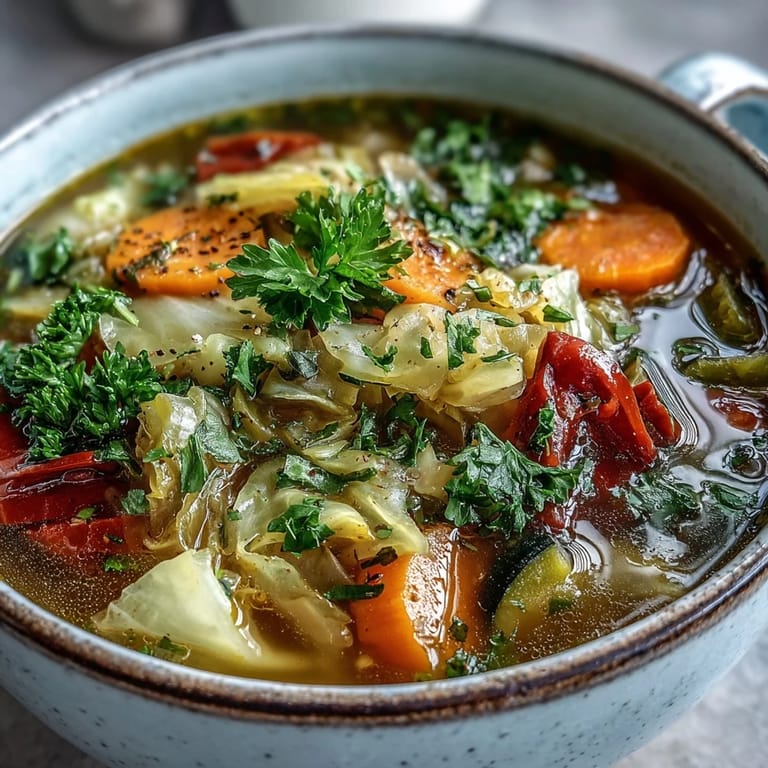
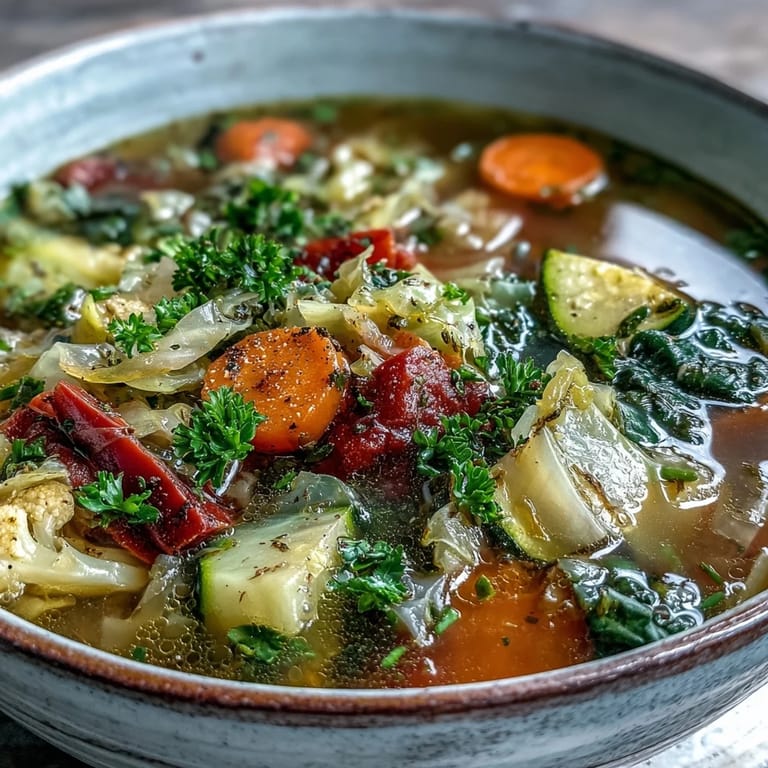
- Green cabbage (1 small head, about 700 g): The base of everything; choose one that feels dense and crisp, and don't be afraid to chop it roughly since it softens beautifully.
- Carrots (2 medium, peeled and sliced): These add natural sweetness and body to the broth, so don't skip them even if they're not your favorite vegetable.
- Celery stalks (2, sliced): The unsung hero that brings depth; use the whole stalk including the pale inner parts, which have the best flavor.
- Onion (1 medium, diced): This is your foundation—take a minute to dice it properly because even pieces cook more evenly.
- Garlic (3 cloves, minced): Don't use jarred; fresh garlic transforms the soup from good to memorable once it hits the hot oil.
- Red bell pepper (1, diced): Adds color and a subtle sweetness that balances the earthiness of cabbage.
- Diced tomatoes (400 g or 1 can): Canned works beautifully here and adds acidity that brightens everything up.
- Zucchini (1 small, diced, optional): If you have it, add it; if not, the soup is perfect without it.
- Vegetable broth (1.5 liters, low sodium preferred): This is where salt control lives in your hands, so taste as you go.
- Olive oil (1 tablespoon): Just enough to get the aromatics going without making the soup heavy.
- Dried thyme and oregano (1 teaspoon each): These dry herbs actually work better than fresh here because they infuse the broth more fully.
- Black pepper and salt (1/2 teaspoon each): Season gradually throughout cooking rather than all at once at the end.
- Chili flakes (1/4 teaspoon, optional): A tiny amount adds warmth without heat if you're sensitive to spice.
- Lemon juice (from 1/2 lemon, optional): Squeeze this in at the very end if the soup tastes a bit flat; it's like turning up the volume on all the flavors.
- Fresh parsley (chopped, for garnish): Don't skip this—it adds brightness and makes people feel like you put real care into the bowl.
Tired of Takeout? 🥡
Get 10 meals you can make faster than delivery arrives. Seriously.
One email. No spam. Unsubscribe anytime.
Instructions
- Sauté your base:
- Heat olive oil in a large soup pot over medium heat and add the onion, carrots, and celery; let them soften for about 5 minutes, stirring occasionally so nothing sticks to the bottom. You'll know you're ready to move on when the onions start turning translucent and the whole kitchen smells like a proper cooking project.
- Wake up the garlic:
- Add minced garlic and stir constantly for just 1 minute until fragrant—this step is quick because garlic burns easily. You want that toasted, aromatic smell, not something bitter and sharp.
- Add the rest of the vegetables:
- Toss in the bell pepper, zucchini if using, and chopped cabbage; sauté for 3 to 4 minutes while stirring occasionally. The cabbage will start to wilt slightly and everything will come together beautifully.
- Build the soup:
- Pour in the diced tomatoes and vegetable broth, then add thyme, oregano, black pepper, salt, and chili flakes if you want a hint of heat. Stir well so all the seasonings dissolve into the liquid.
- Simmer gently:
- Bring the pot to a boil, then lower the heat to medium-low, cover with a lid, and let it simmer for 25 to 30 minutes until all the vegetables are completely tender. The longer it simmers, the more the flavors meld together, so don't rush this part.
- Taste and adjust:
- Once everything is soft, taste a spoonful and add more salt or pepper as needed. If the soup tastes a bit flat, squeeze in lemon juice and stir—it brings everything alive.
- Serve with care:
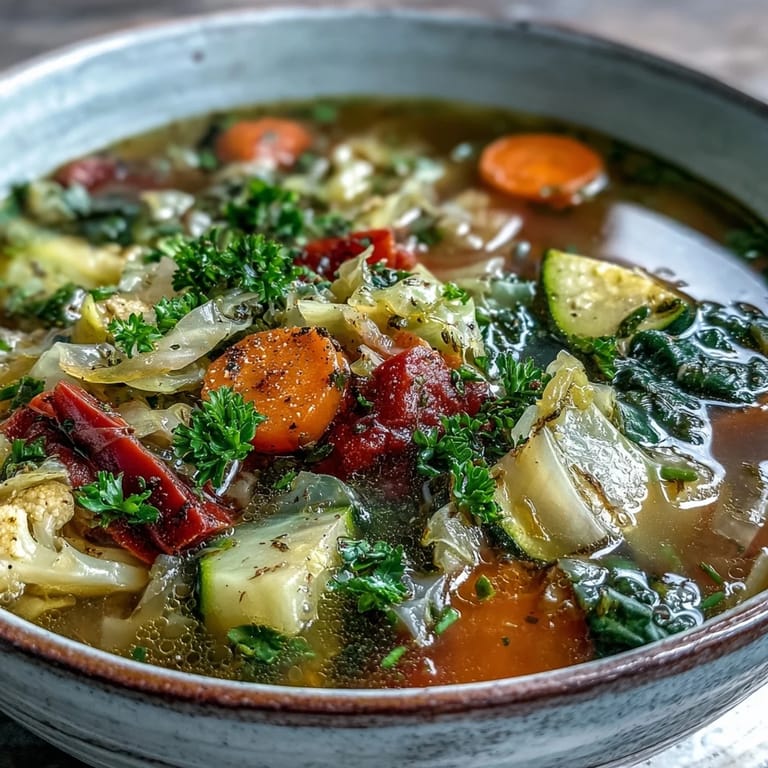
- Ladle the soup into bowls and finish each one with fresh chopped parsley and a drizzle of olive oil if you want to be fancy. Serve it hot with whatever bread you have on hand.
 Save to Pinterest
  Save to Pinterest
 My neighbor brought me a container of this soup while I was moving, and I ate it cold straight from the fridge at midnight surrounded by cardboard boxes. It was the kindest thing anyone could have done that day, and I've thought about that moment every time I make a batch since.
Meal Prep Magic
This soup is actually better the next day because the flavors continue deepening as it sits. I make a big batch on Sunday and portion it into glass containers for the whole week, and having it ready means I actually eat well instead of defaulting to whatever's quickest. The soup keeps for up to 4 days in the refrigerator, and it freezes beautifully for up to 3 months if you want to get ahead.
Ways to Make It Your Own
The beauty of this recipe is that it's forgiving and flexible—once you understand the basic method, you can improvise with whatever vegetables you have around. I've made it with kale instead of cabbage, added white beans for protein, and even stirred in leftover cooked grains when I wanted something more substantial. The bones of the recipe stay the same, but the details can shift based on your mood and what needs using up.
Storage and Serving Ideas
This soup stores beautifully and actually tastes better as it sits overnight because the vegetables continue to soften and the broth becomes richer. Reheat gently on the stovetop over medium heat rather than in the microwave, which can make the vegetables mushy; add a splash of broth or water if it thickens too much as it cools. Here are my favorite ways to serve it:
- Serve hot with crusty whole-grain bread and a sprinkle of fresh herbs for a complete meal.
- Top with a dollop of plant-based sour cream or a drizzle of good olive oil and crispy bread crumbs for texture and richness.
- Add cooked chickpeas or white beans right before serving if you want extra protein and heartiness.
 Save to Pinterest
  Save to Pinterest
 This recipe proves that the best meals don't need to be complicated or expensive to feel nourishing. Make it whenever you need something warm and honest.
Recipe FAQs
- → Can I add protein to this cabbage soup?
Yes, you can easily add drained white beans, chickpeas, or cooked chicken for extra protein. Stir them in during the last 10 minutes of cooking to heat through.
- → How long does cabbage soup keep in the refrigerator?
The soup stores well in an airtight container for up to 4 days refrigerated. The flavors actually improve overnight as the vegetables marinate in the broth.
- → Can I freeze this soup for later?
Absolutely! This soup freezes beautifully for up to 3 months. Let it cool completely, then store in freezer-safe containers. Thaw overnight in the refrigerator and reheat on the stovetop.
- → What vegetables can I substitute or add?
Feel free to add spinach, kale, green beans, or turnips. You can swap zucchini for yellow squash or add mushrooms for earthier flavor. The soup is very versatile and forgiving.
- → How can I make the soup more filling?
Serve with a slice of whole-grain bread, add diced potatoes during cooking, or stir in cooked quinoa or brown rice. Topping with avocado also adds healthy fats and substance.
- → Is this soup suitable for meal prep?
Yes, it's ideal for meal prep! Divide into individual portions after cooling and refrigerate. It reheats wonderfully on the stovetop or in the microwave, making weekday lunches effortless.