 Save to Pinterest
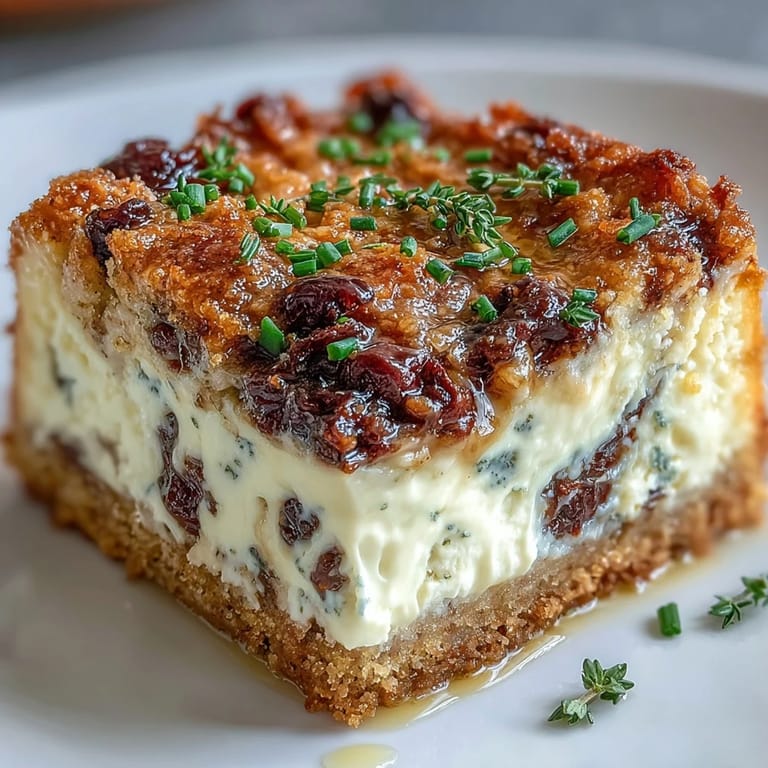
 The smell of olives baking into cream cheese caught my neighbor off guard when she knocked on my door one Saturday afternoon. She thought I was making dessert, but this was something entirely different: a Greek-inspired savory cheesecake that had become my secret weapon at potlucks. I'd been experimenting with turning traditional sweet cheesecakes into appetizers, and the moment I folded chopped Kalamata olives and fresh herbs into that tangy cheese mixture, I knew I'd stumbled onto something worth sharing. It's become the dish people ask about before they even arrive.
I first brought this to a friend's birthday gathering where everyone else had made the usual suspects: hummus, cheese boards, spinach dip. When I set down the cheesecake and said it was savory, a few people were skeptical. But after the first taste, the room went quiet in that good way, and within twenty minutes, only crumbs remained on the plate. One guest even asked if I'd cater her book club, which I didn't, but I did write down the recipe on a napkin for her.
Ingredients
- Plain breadcrumbs: They create a savory, sturdy base that contrasts beautifully with the creamy filling, and toasting them with butter and oregano makes all the difference.
- Unsalted butter: Melted and mixed into the crust, it binds the crumbs and adds a rich, golden flavor without overpowering the herbs.
- Dried oregano: A little goes a long way in the crust, lending that unmistakable Mediterranean warmth.
- Ground black pepper: Just a pinch in the crust adds a subtle kick that wakes up the buttery breadcrumbs.
- Cream cheese: The heart of the filling, softened so it whips into a silky, tangy cloud that holds everything together.
- Ricotta cheese: It lightens the texture and adds a mild creaminess that balances the sharpness of the Parmesan.
- Grated Parmesan cheese: Brings a nutty, salty depth that makes this feel more like a savory tart than a traditional cheesecake.
- Large eggs: They set the filling into that signature creamy firmness, so make sure they're at room temperature for the smoothest mix.
- Dried thyme: Earthy and subtle, it weaves through the filling like a whisper of an herb garden.
- Lemon zest: Freshly grated, it brightens every bite and cuts through the richness with a sunny zing.
- Whole milk: Just enough to loosen the filling and help it bake evenly without cracking.
- Pitted Kalamata olives: Chopped and folded in, they're the star, adding briny bursts that make each forkful exciting.
- Fresh chives: Finely chopped, they bring a mild oniony freshness that complements the olives perfectly.
- Salt and black pepper: Season the filling just right, letting all the flavors bloom without competing.
- Sliced Kalamata olives for garnish: A few on top make it look as stunning as it tastes.
- Fresh parsley: Chopped and sprinkled over the finished cheesecake, it adds color and a clean, herbaceous note.
- Extra virgin olive oil: A light drizzle before serving ties the whole Greek theme together and adds a silky finish.
Tired of Takeout? 🥡
Get 10 meals you can make faster than delivery arrives. Seriously.
One email. No spam. Unsubscribe anytime.
Instructions
- Prep your pan:
- Preheat your oven to 325°F and lightly grease a 9-inch springform pan or line it with parchment paper. This step makes releasing the cheesecake later so much easier.
- Make the crust:
- In a small bowl, mix breadcrumbs, melted butter, oregano, and pepper until it looks like wet sand. Press it firmly and evenly into the bottom of the pan, using the back of a spoon or your fingers.
- Bake the crust:
- Slide it into the oven for 8 minutes until it's lightly golden and fragrant. Pull it out and let it cool while you make the filling.
- Beat the cheeses:
- In a large bowl, beat the cream cheese, ricotta, and Parmesan together until smooth and fluffy. Add the eggs one at a time, mixing well after each so the filling stays silky.
- Fold in the flavorings:
- Stir in the thyme, lemon zest, milk, chopped olives, chives, salt, and pepper. Mix just until everything is evenly distributed and the filling looks creamy and speckled with green and purple.
- Assemble and bake:
- Pour the filling over the cooled crust and smooth the top with a spatula. Bake for 25 to 28 minutes, until the center is set but still has a gentle wobble when you shake the pan.
- Cool completely:
- Remove from the oven and let it cool to room temperature on the counter. Then cover and refrigerate for at least 2 hours, though overnight is even better for clean slicing.
- Garnish and serve:
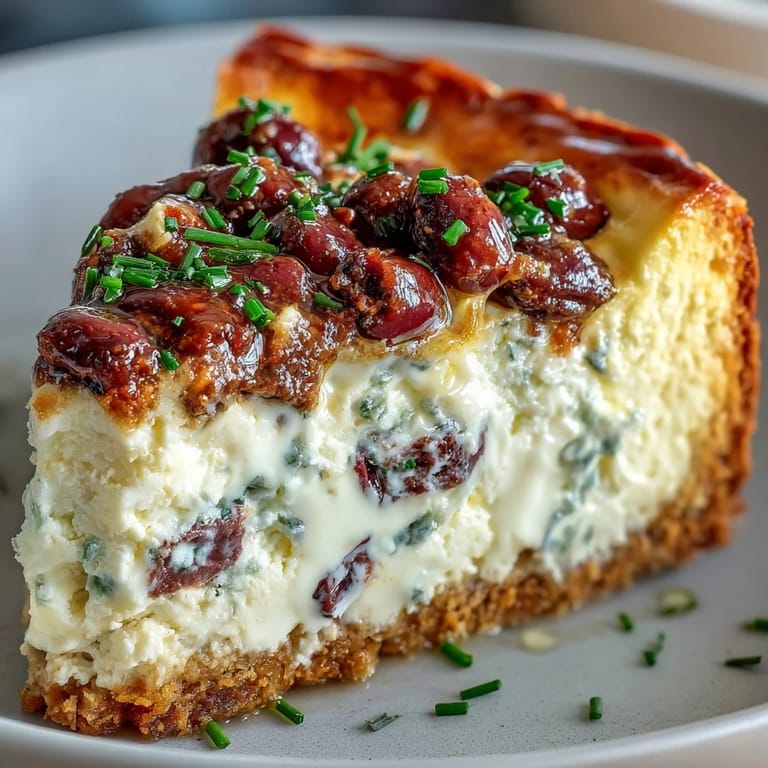
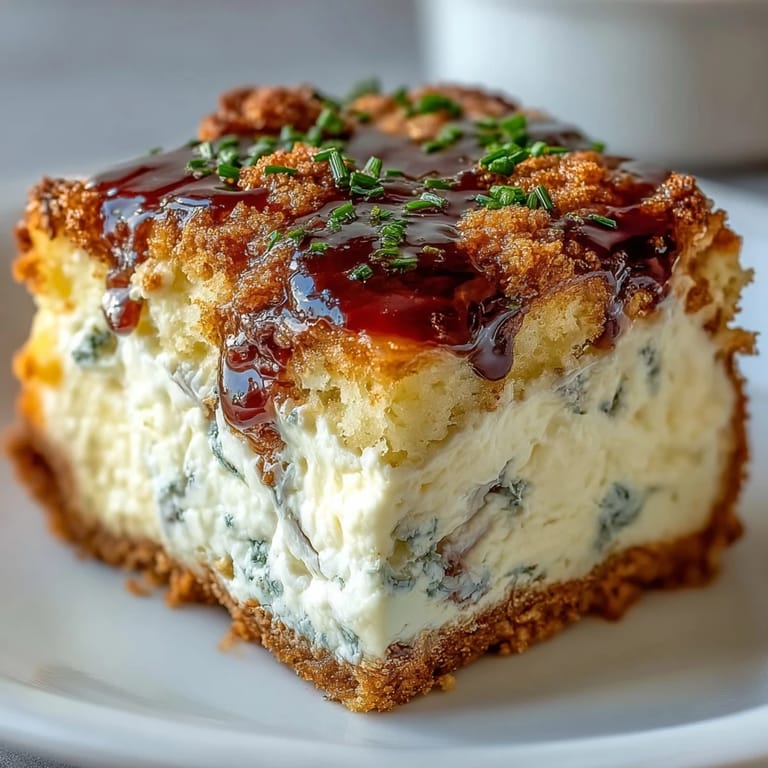
- Before serving, top with sliced olives, chopped parsley, and a drizzle of olive oil. Slice into small wedges or squares and watch them disappear.
 Save to Pinterest
 One evening, I served this at a small dinner party where half the guests were from Greece. I was nervous they'd find it inauthentic or too Americanized, but one woman smiled and said it reminded her of a savory pie her grandmother used to make for name days. That moment, when food becomes a bridge between memories and cultures, is why I keep cooking. It's not about perfection, it's about connection.
Storing and Make-Ahead Tips
This cheesecake actually tastes better the next day, once the flavors have melded and the texture has firmed up in the fridge. I always make it at least four hours ahead, though overnight is ideal if you want stress-free entertaining. Store it covered in the springform pan or transfer it to an airtight container, and it will keep beautifully for up to three days. Just add the garnish right before serving so the parsley stays bright and the olive oil glistens.
Serving Suggestions
I like to serve this with a pile of crisp crackers, toasted baguette slices, or homemade crostini on the side. It also pairs beautifully with a simple arugula salad dressed in lemon and olive oil, or a platter of roasted vegetables. For drinks, a chilled white wine or a sparkling water with lemon feels just right. The key is to keep everything light and fresh so the creamy, briny cheesecake stays the star of the table.
Customization Ideas
Once you've made this a few times, it's fun to play around with the mix-ins and toppings. I've folded in sun-dried tomatoes, roasted red peppers, and even crumbled feta for a tangier bite. Some people love adding a handful of toasted pine nuts or walnuts to the filling for crunch. If you're gluten-free, swap the breadcrumbs for almond meal or gluten-free panko, and the crust will still hold together beautifully.
- Try swapping Kalamata olives for green olives or a mix of both for a different flavor profile.
- Add a tablespoon of capers to the filling if you love that extra briny punch.
- Garnish with microgreens or edible flowers for a stunning presentation at special gatherings.
 Save to Pinterest
 This savory cheesecake has earned a permanent spot in my appetizer rotation, and I hope it does the same for you. There's something deeply satisfying about watching people take that first curious bite and then immediately reach for seconds.
Recipe FAQs
- → Can I make this cheesecake ahead of time?
Yes, this savory cheesecake actually benefits from being made ahead. Prepare it up to 2 days in advance, cover tightly with plastic wrap, and refrigerate. Add the garnish just before serving for the freshest presentation.
- → What can I serve with this appetizer?
Serve with crisp crackers, toasted crostini, sliced baguette, or fresh vegetables like cucumber rounds and bell pepper strips. The creamy texture pairs beautifully with crunchy accompaniments.
- → Can I substitute the Kalamata olives with other varieties?
While Kalamata olives provide the authentic Greek flavor, you can use other brined olives like Castelvetrano or Nicoise. Avoid canned black olives as they lack the robust, tangy flavor needed for this dish.
- → How do I prevent cracks in the cheesecake?
Bake at the lower temperature of 325°F and avoid overbaking—the center should still have a slight wobble. Let it cool gradually at room temperature before refrigerating to minimize temperature shock.
- → Can this be frozen for later use?
Yes, wrap the cooled cheesecake tightly in plastic wrap and aluminum foil, then freeze for up to 1 month. Thaw overnight in the refrigerator and add fresh garnishes before serving.
- → What other herbs work well in this dish?
Fresh or dried basil, rosemary, or dill complement the Mediterranean flavors beautifully. You can also add minced garlic or a pinch of red pepper flakes for extra depth.