 Save to Pinterest
 There was a tiny apartment in Paris where the radiator hissed through winter nights and my landlord Madame Chenot taught me that an omelet is not breakfast but a conversation between eggs and butter. She made one every Sunday morning while explaining that rushing eggs is like rushing love, pointless and usually disastrous. The way she folded that omelet, so gentle it was like tucking in a child, changed everything I thought I knew about cooking something so simple.
Last month my sister called at midnight, heartbroken and hungry, and I made three of these in succession while she sat on my counter swinging her legs and talking through tears. By the third omelet she was laughing about how our grandmother used to make rubbery eggs and call them cuisine, which is exactly the kind of honesty that only happens over good food when nobody is watching.
Ingredients
- Eggs: Room temperature eggs whisk better, bringing air into the mixture for that cloud like fluffiness we all want
- Milk or cream: A splash adds richness but do not go overboard or you will have scrambled eggs pretending to be an omelet
- Unsalted butter: Butter burns easily so watch closely and melt it gently until it foams
- Grated cheese: Gruyère melts beautifully but whatever cheese you love will work as long as you grate it yourself
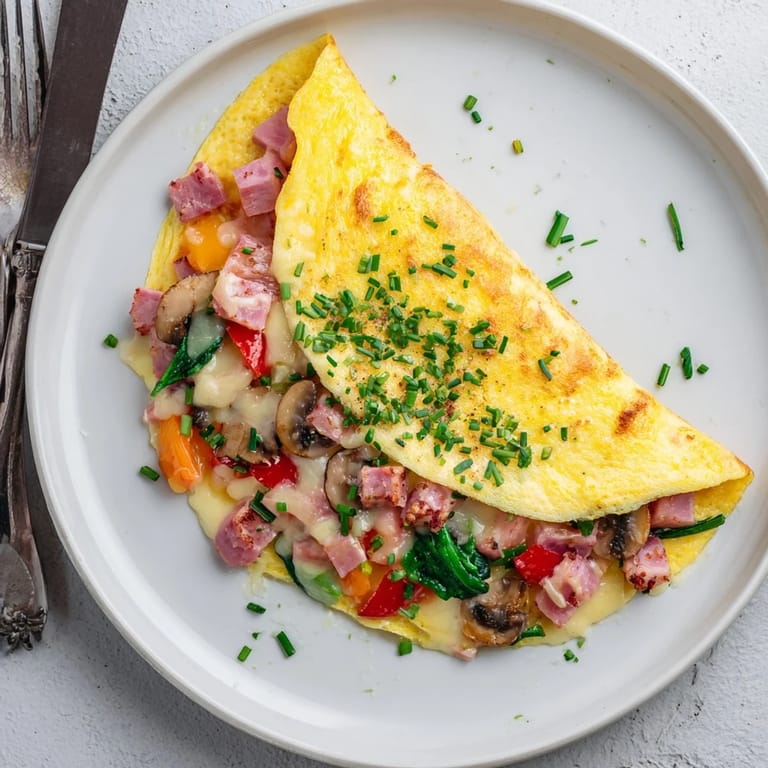
- Optional fillings: Ham or vegetables should be cooked beforehand because raw vegetables will release water and make everything soggy
- Fresh herbs: Chives add mild onion flavor while parsley brings brightness, both should be added at the very end
Tired of Takeout? 🥡
Get 10 meals you can make faster than delivery arrives. Seriously.
One email. No spam. Unsubscribe anytime.
Instructions
- Whisk the eggs:
- Crack eggs into a bowl and whisk with milk, salt, and pepper until combined and slightly frothy. This step is where you build the texture so do not rush it.
- Melt the butter:
- Heat butter in a nonstick skillet over medium heat until melted and bubbling but not browned. Watch the pan like a hawk because butter turns from perfect to burned in seconds.
- Pour and spread:
- Pour the egg mixture into the skillet, tilting to spread evenly across the bottom. Let cook undisturbed for about one minute until edges just begin to set.
- Add cheese and fillings:
- Sprinkle grated cheese evenly over the eggs and add any optional fillings like ham or vegetables. The residual heat will start melting the cheese immediately.
- Lift and cook:
- Gently lift edges with a spatula, allowing uncooked egg to flow underneath, then cook for another one to two minutes until nearly set but still creamy on top. This technique creates those beautiful layers.
- Finish and serve:
- Fold the omelet in half and cook for thirty seconds more, then slide onto a plate. Garnish with fresh herbs if desired and serve while still hot.
 Save to Pinterest
 The first time I made this for my grandmother, she took one bite and said well that is not terrible, which coming from her was basically a standing ovation. She taught me that food does not need to be complicated to be memorable, it just needs to be made with attention and served to someone who matters.
Getting That Restaurant Style Fold
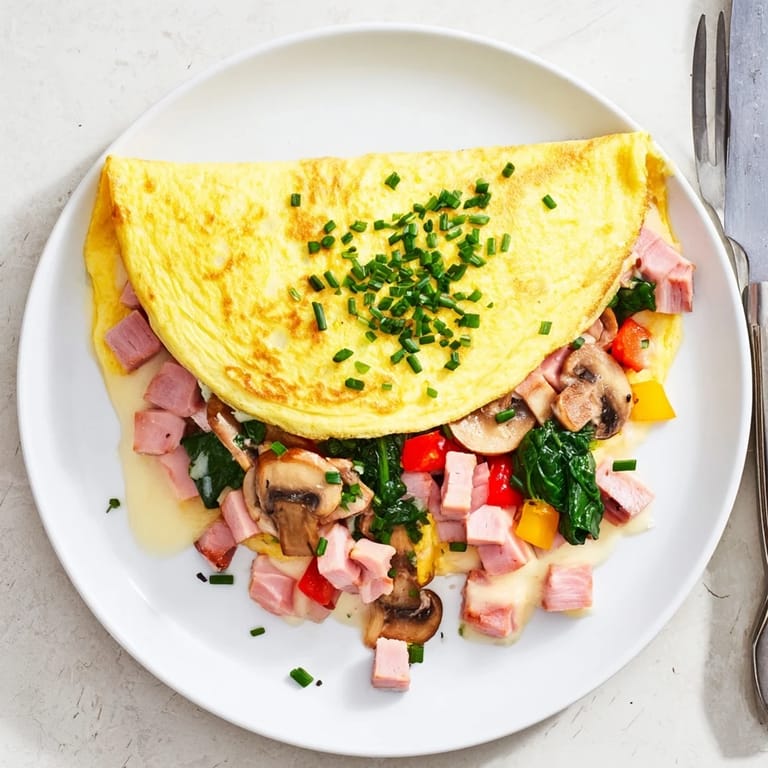
The secret is sliding the omelet partly onto the plate while it is still in the pan, then using the pan edge to fold the remaining half over itself. This technique sounds fancy but it is actually easier than trying to flip it with a spatula and makes you look like you have been training in French kitchens for years.
Choosing Your Cheese
Sharp cheddar brings bold flavor while Gruyère offers nutty sweetness that pairs perfectly with eggs. Mozzarella melts beautifully but has mild taste, so consider mixing two cheeses together for both flavor and that Instagram worthy cheese pull everyone secretly wants.
Perfect Timing Every Time
Watch the eggs, not the clock, because every stove heats differently and humidity affects cooking time. The surface should look set but still have a slight wobble when you shake the pan gently.
- Have your plate ready before you start cooking
- Warm serving plates in the oven for two minutes
- Omelets wait for no one so call everyone to the table first
 Save to Pinterest
 Some Sunday mornings are made for slowly cooked eggs and good company, everything else can wait until the plates are empty and the coffee is gone.
Recipe FAQs
- → How do I make my omelet fluffy?
Whisk eggs vigorously until slightly frothy and add a splash of milk or cream. Cook over medium heat and avoid overcooking—remove while the center is still slightly creamy.
- → What cheese works best?
Gruyère, Cheddar, Emmental, or Swiss cheese melt beautifully and provide rich flavor. Grate the cheese finely for even melting.
- → Can I prepare this ahead?
Omelets are best served immediately while hot and fluffy. However, you can whisk the eggs and prepare fillings in advance for faster assembly.
- → Why is my omelet sticking to the pan?
Use a good quality nonstick skillet and ensure the butter is bubbling but not browned before adding eggs. Don't use high heat, which can cause sticking.
- → What vegetables can I add?
Diced bell peppers, spinach, mushrooms, onions, or tomatoes work wonderfully. Sauté vegetables briefly before adding to prevent excess moisture.