 Save to Pinterest
 There's something about early spring that makes me want to eat nothing but green things, and this salad arrived in my kitchen on one of those perfect afternoons when the farmers market was bursting with tender asparagus and the first snap peas of the season. I grabbed a bunch without much of a plan, but by the time I got home, I realized the vegetable peeler in my drawer could transform those woody stalks into something delicate and elegant. The result was so light and bright that I made it three times that week, each time discovering a new detail—the way the lemon caught the Parmesan, how the pine nuts added an unexpected richness to something so simple.
I served this to my neighbor last month when she stopped by on a Saturday morning, and she sat at my kitchen counter eating it straight from the bowl, asking me to write down every single step. She'd never considered eating asparagus raw before, and watching her realize that was the moment I knew this recipe deserved to be shared more widely.
Ingredients
- Fresh asparagus: Choose thin to medium spears with tight tips—the thinner ones shave into ribbons beautifully without becoming stringy, and they stay crisp longer after you dress the salad.
- Fresh or frozen green peas: If you use frozen, thaw them completely and pat dry so they don't release excess water; the sweetness is just as good either way.
- Baby arugula or mixed spring greens: These tender leaves wilt slightly under the warm lemon dressing, creating a nice textural contrast with the crisp asparagus.
- Radishes: Their peppery bite cuts through the richness of the cheese and nuts, so don't skip them even if you think you don't like radishes.
- Shaved Parmesan or pecorino: Use a vegetable peeler to create thin shavings that distribute better than grated cheese and melt slightly into the warm salad.
- Toasted pine nuts or slivered almonds: Toasting them yourself makes all the difference—buy them raw and toast for five minutes in a dry pan, and the flavor deepens completely.
- Extra-virgin olive oil: This is where quality matters since there's nowhere to hide; use one you'd actually eat on bread.
- Fresh lemon juice and zest: Always squeeze your own juice rather than using the bottled version—the brightness is noticeably different.
- Honey or maple syrup: Just a touch to balance the acidity and round out the sharpness of the mustard.
- Dijon mustard: This emulsifies the dressing and adds a subtle complexity that keeps people guessing what makes it taste so good.
Tired of Takeout? 🥡
Get 10 meals you can make faster than delivery arrives. Seriously.
One email. No spam. Unsubscribe anytime.
Instructions
- Shave the asparagus into ribbons:
- Hold each spear steady on the cutting board and drag your vegetable peeler along the length, rotating as you go to create long, delicate strips. You'll know you've reached the woody end when the peeler starts to struggle—that's your signal to stop and move to the next spear.
- Build your salad base:
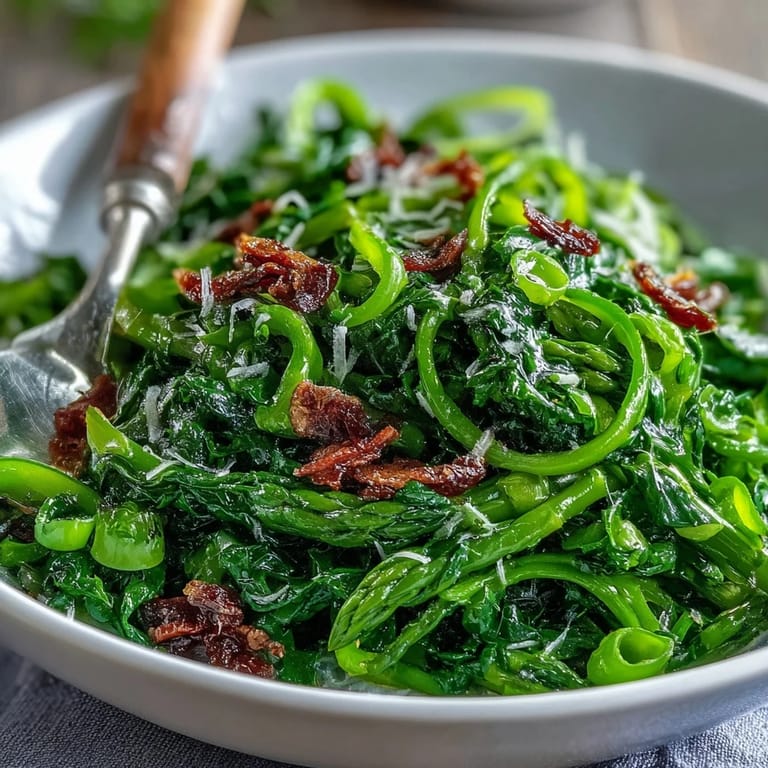
- Combine the asparagus ribbons with the peas, tender greens, and radish slices in a large bowl, keeping everything loosely arranged so the leaves don't get bruised. The vegetables should look abundant and fresh, with plenty of room between each element.
- Make the dressing:
- Whisk together the olive oil, lemon juice, zest, honey, mustard, salt, and pepper in a small bowl until it emulsifies and turns slightly cloudy—this takes about thirty seconds of actual whisking. Taste it and adjust: if it's too sharp, add a drizzle more honey; if it needs more brightness, squeeze in extra lemon.
- Dress and toss with intention:
- Pour the dressing over the salad and toss gently, lifting the vegetables up from the bottom so every piece gets coated without crushing the delicate leaves. The dressing will pool slightly at the bottom of the bowl, so give it one more careful toss just before serving.
- Top with cheese and nuts:
- Scatter the Parmesan shavings and toasted nuts over the top, either tossing them in gently or leaving them on top for a prettier presentation. Either way, serve within a few minutes so everything stays crisp and the nuts don't get soggy.
 Save to Pinterest
 This salad became my secret weapon for those mornings when unexpected friends text asking if they can stop by for lunch. There's something about serving something this fresh and uncooked that feels generous without being fussy, and it's taught me that the best meals are often the ones that celebrate ingredients without hiding behind heavy cooking.
The Art of Shaving Vegetables
Once you realize that a vegetable peeler can transform how something tastes, you start seeing vegetables differently. The asparagus in this salad isn't just thinner than if you'd sliced it—it's more tender, more elegant, and somehow sweeter because the peeler removes only the outermost layer where bitterness hides. I've since started shaving zucchini, beets, and carrots the same way, and each one reveals a character I'd never noticed when they were sliced thicker. The technique takes two minutes to learn and a lifetime to appreciate.
Why Raw Asparagus Works
Most people cook asparagus because that's what they learned, but there's actually a window in spring when the spears are so young and tender that cooking them seems like a waste. Raw asparagus has a grassy, almost sweet quality that gets muted the moment heat touches it, and once you taste it this way, you understand why chefs started serving it raw. The crunch stays, the flavor stays bright, and the whole salad feels lighter because you're not carrying the weight of cooked vegetables. It's one of those small discoveries that makes you wonder what else you've been overcooking without realizing.
Variations and Substitutions
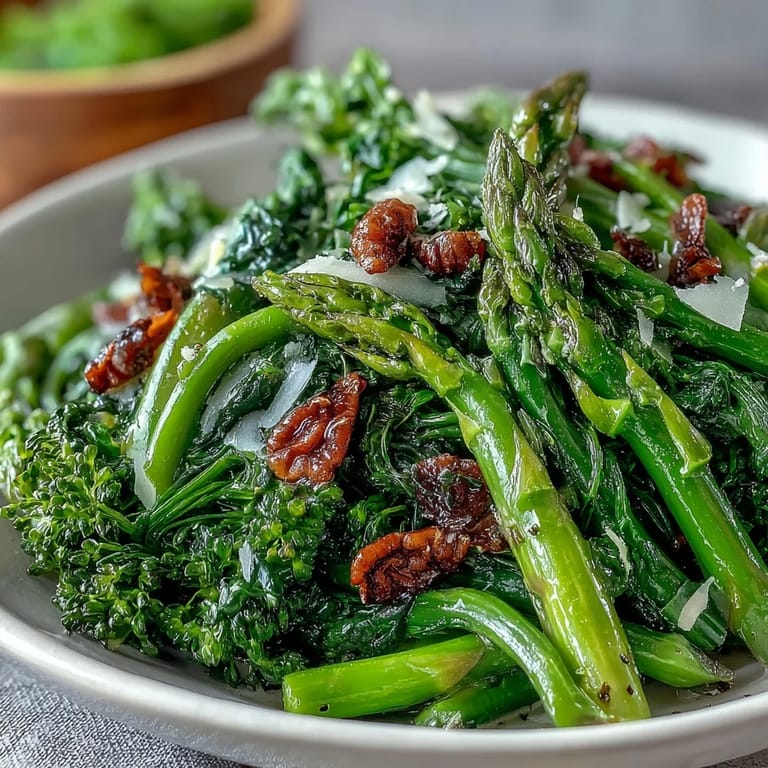
I've made this salad dozens of ways depending on what's in the market or what's left in my crisper drawer, and it's remarkably forgiving once you understand the balance. The core is the shaved asparagus and bright lemon dressing; everything else is negotiable. Sometimes I use sugar snap peas instead of regular peas, or blanched fava beans when I'm feeling fancy and have the patience to peel them. Other times I add fresh mint or basil, or swap the arugula for tender spinach or lettuces. The Parmesan can become pecorino for a sharper edge, or disappear entirely if someone at the table can't eat dairy. The pine nuts are expensive, so I rotate through almonds, walnuts, and sunflower seeds depending on what's on sale.
- For a vegan version, skip the cheese and use more nuts to add richness and texture.
- Substitute sugar snap peas or blanched fava beans if regular peas aren't available.
- Add fresh mint, basil, or tarragon for an herbal brightness that changes the whole character of the dish.
 Save to Pinterest
 This salad taught me that sometimes the most impressive dishes are the ones that do the least amount of work, letting the quality of the ingredients shine. It's become my go-to meal whenever I want something that tastes like care without tasting like effort.
Recipe FAQs
- → How should asparagus be prepared for this salad?
Use a vegetable peeler to shave asparagus stalks into thin ribbons, ensuring a delicate texture that blends well with other ingredients.
- → Can I substitute the pine nuts in the salad?
Yes, slivered almonds or other toasted nuts can be used to add a crunchy texture and nutty flavor.
- → Is it possible to make a vegan version of this salad?
Simply omit the cheese or replace it with a plant-based alternative while keeping the other ingredients and dressing the same.
- → What dressing flavors complement the salad best?
The lemon-based dressing with olive oil, honey, and Dijon mustard balances brightness and slight sweetness, enhancing the fresh vegetables.
- → Can this salad be served with other dishes?
It pairs well alongside grilled fish or chicken, adding a fresh, light component to heartier meals.