 Save to Pinterest
 There's something about spring that makes me want to throw everything green and bright onto a sheet pan and let the oven do the work. One Tuesday evening, I was staring at a pile of farmers market vegetables and a couple of chicken breasts, feeling too tired to fuss with multiple pots, and this dish practically assembled itself. The lemon and garlic marinade pulled it all together in the most effortless way, and twenty minutes later, dinner was golden and ready without any real thinking required.
I made this for my sister during one of those unexpectedly busy weeks where she was juggling work and her kids' schedules, and she texted me the next day saying it was the first meal all week that didn't come from a drive-through. Watching her face light up when she tasted it taught me that sometimes the simplest dinners are the ones people remember most.
Ingredients
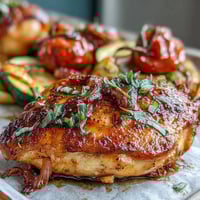
- Boneless, skinless chicken breasts (about 1.5 lbs / 680 g): Pat them dry before marinating so they absorb all those bright flavors without steaming in their own moisture.
- Asparagus, trimmed and cut into 2-inch pieces: The woody ends break off naturally if you bend them gently, which is honestly satisfying to do.
- Cherry tomatoes, halved: Halving them means they release their juices and get slightly caramelized at the edges, which is where the magic happens.
- Sugar snap peas, trimmed: These stay crisp and sweet if you don't bury them under everything else on the pan.
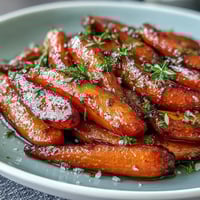
- Baby carrots, halved lengthwise: Cutting them this way helps them cook faster and creates more surface area for caramelization.
- Red onion, sliced into wedges: Red onion gets sweeter when roasted, transforming from sharp to almost jammy.
- Yellow bell pepper, sliced: The color adds visual brightness and a subtle sweetness that rounds out the earthier vegetables.
- Olive oil: Use something you actually like tasting, because it's not being heated to death here.
- Fresh lemon juice: Bottled works in a pinch, but fresh juice makes a noticeable difference in that bright finish.
- Garlic cloves, minced: Mincing rather than slicing prevents burnt bits and ensures it distributes evenly throughout.
- Dijon mustard: This is the secret ingredient that adds depth without making anything taste like mustard specifically.
- Honey: A tiny drizzle balances the acidity and helps everything caramelize more evenly.
- Dried oregano and thyme: These herbs release their flavors better in warm oil, which is why we whisk them into the marinade first.
- Salt and black pepper: Taste as you go because different olive oils and vegetable batches need slightly different seasoning.
- Fresh parsley: A last-minute sprinkle adds a fresh note that cuts through the richness of the roasted vegetables.
Tired of Takeout? 🥡
Get 10 meals you can make faster than delivery arrives. Seriously.
One email. No spam. Unsubscribe anytime.
Instructions
- Heat your oven and prep your pan:
- Set the oven to 425°F and let it warm up fully while you're working, so the vegetables start caramelizing immediately when they hit the heat. Line your sheet pan with parchment paper because it saves cleanup and prevents anything from sticking awkwardly to the pan.
- Build the marinade:
- Whisk together the olive oil, lemon juice, minced garlic, Dijon mustard, honey, oregano, thyme, salt, and pepper in a small bowl until it's emulsified and everything's suspended together. This takes about thirty seconds if you're actually whisking instead of just stirring.
- Season the chicken:
- Place the chicken breasts on your sheet pan and brush both sides generously with half of the marinade, letting it pool in any little crevices. Don't be shy here because this is where the chicken gets its flavor.
- Coat the vegetables:
- Toss all your chopped vegetables in a large bowl with the remaining marinade until everything's glossy and evenly coated. This step ensures nothing dries out or burns while roasting.
- Arrange everything on the pan:
- Scatter the vegetables around the chicken in a single layer, making sure nothing's piled on top of anything else. A crowded pan creates steam instead of roasting, so spread things out.
- Roast until everything's golden:
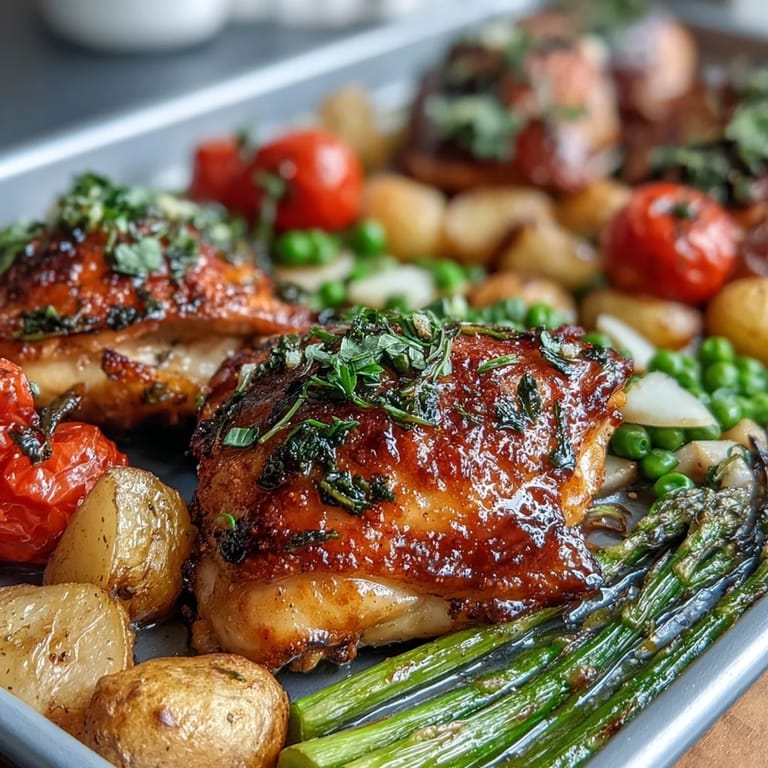
- Slide the pan into the oven for 25 to 30 minutes, checking around the 20-minute mark to see if the edges are starting to caramelize. The chicken's done when an instant-read thermometer inserted into the thickest part reads 165°F, and the vegetables should have slightly blackened edges.
- Rest and finish:
- Let the chicken rest for five minutes before slicing, which keeps it juicy instead of releasing all those flavorful juices onto the pan. Top with fresh parsley and serve with lemon wedges for anyone who wants extra brightness.
 Save to Pinterest
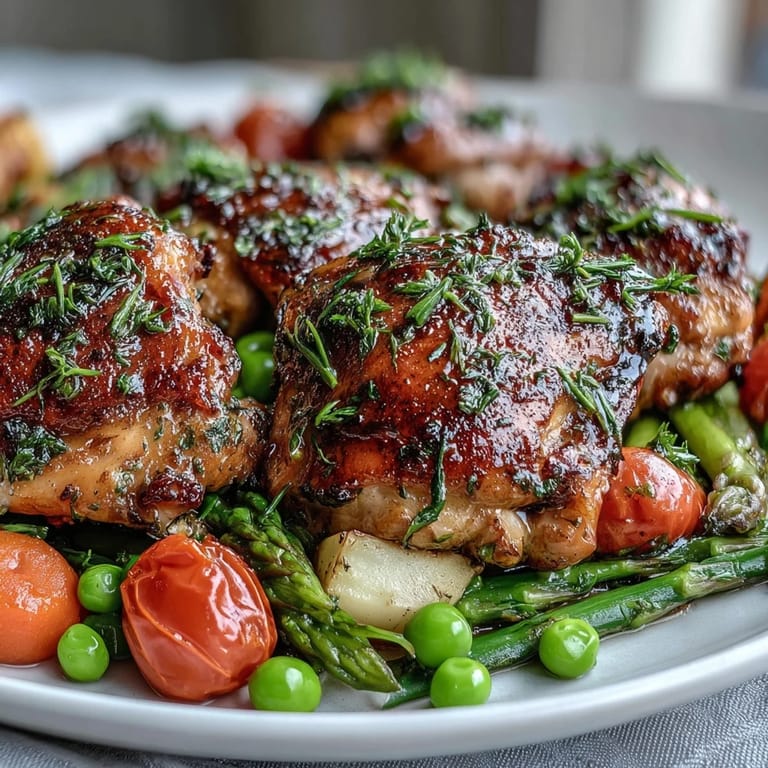
 My neighbor smelled this cooking through our shared wall and knocked on my door in the middle of it roasting, genuinely curious what was making her entire apartment smell like a Mediterranean restaurant. That's when I realized this dish has this quietly powerful presence that makes people stop and pay attention, even when they're not expecting to.
Why Spring Vegetables Matter Here
Spring vegetables have this natural sweetness and tenderness that actually benefit from high heat roasting instead of being cooked gently like you might do in other seasons. The asparagus gets slightly crispy at the tips, the snap peas stay firm but absorb flavor, and the whole thing together feels alive on your plate. I've tried making this with winter vegetables and it's decent, but there's something about the spring version that feels like you actually captured the season on a sheet pan.
The Dijon Mustard Secret
Most people don't notice it's there, which is exactly the point of this ingredient. What Dijon does is add a subtle mustard flavor that somehow amplifies everything else, making the lemon brighter and the garlic more distinct without making the whole dish taste mustardy. I figured this out by accident when I was out of regular mustard and grabbed Dijon to see if it would work, and it absolutely did something magical to the depth of flavor.
Adaptations That Actually Work
This recipe is forgiving in the best way, which is why it's become such a regular rotation for me instead of something I make once and forget about. You can swap vegetables based on what's in season or what you actually have sitting around, and the dish adapts beautifully without needing major adjustments. The timing stays roughly the same for most spring and early summer vegetables, though baby potatoes would need an extra ten minutes or so if you want them actually tender.
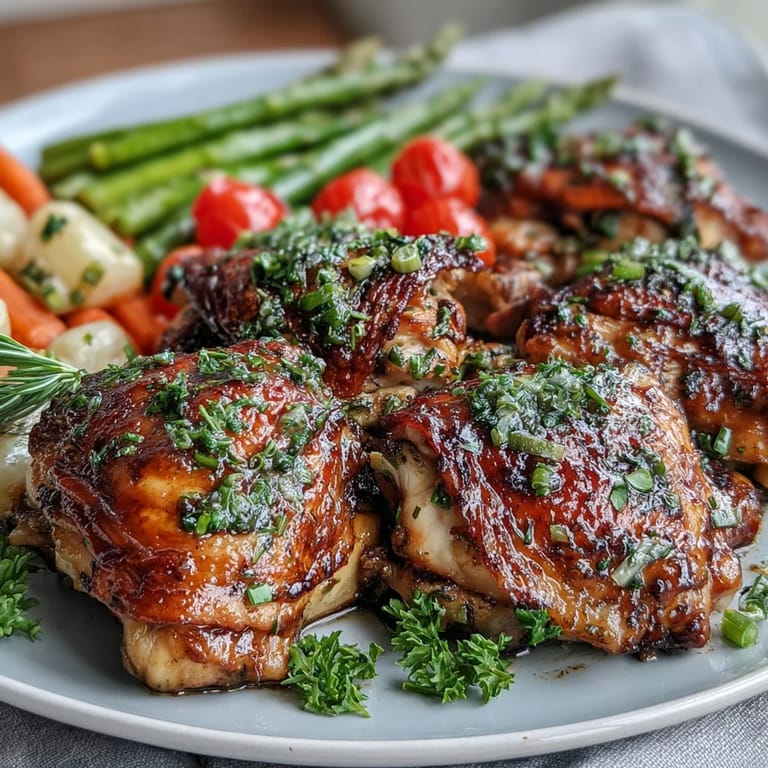
- Chicken thighs instead of breasts: They're actually more forgiving and stay juicier, plus they're usually cheaper if you're feeding a crowd.
- Add crumbled feta at the end: A handful of feta adds this salty brightness that makes people think you tried way harder than you actually did.
- Double the garlic if you love it: The roasting mellows it out enough that you can use more without overwhelming anything else.
 Save to Pinterest
 This sheet pan dinner has become my answer to the eternal question of what to cook when you want something that feels nourishing and a little special but doesn't demand anything complicated from you. It's proof that simple ingredients handled well create something people actually want to eat.
Recipe FAQs
- → What is the best way to prepare the marinade?
Whisk olive oil, lemon juice, minced garlic, Dijon mustard, honey, oregano, thyme, salt, and pepper together in a small bowl until well combined for a balanced citrus-herb flavor.
- → Can I substitute the chicken breasts with another cut?
Yes, boneless skinless chicken thighs can be used for a juicier texture, though cooking time may slightly vary.
- → How do I ensure the vegetables cook evenly on the sheet pan?
Trim and cut vegetables into uniform sizes, toss thoroughly with the marinade, and spread them in a single layer around the chicken for even roasting.
- → What sides pair well with this dish?
Crisp white wines like Sauvignon Blanc or light rosé complement the flavors, while simple grains or leafy salads can balance the meal.
- → Can I add other vegetables to the sheet pan?
Absolutely. Zucchini, radishes, or baby potatoes can be added, but if using potatoes, adjust the cooking time to ensure tenderness.